Asking what matters to patients is not epistemic equality if institutions retain exclusive authority to decide what the solution should be.
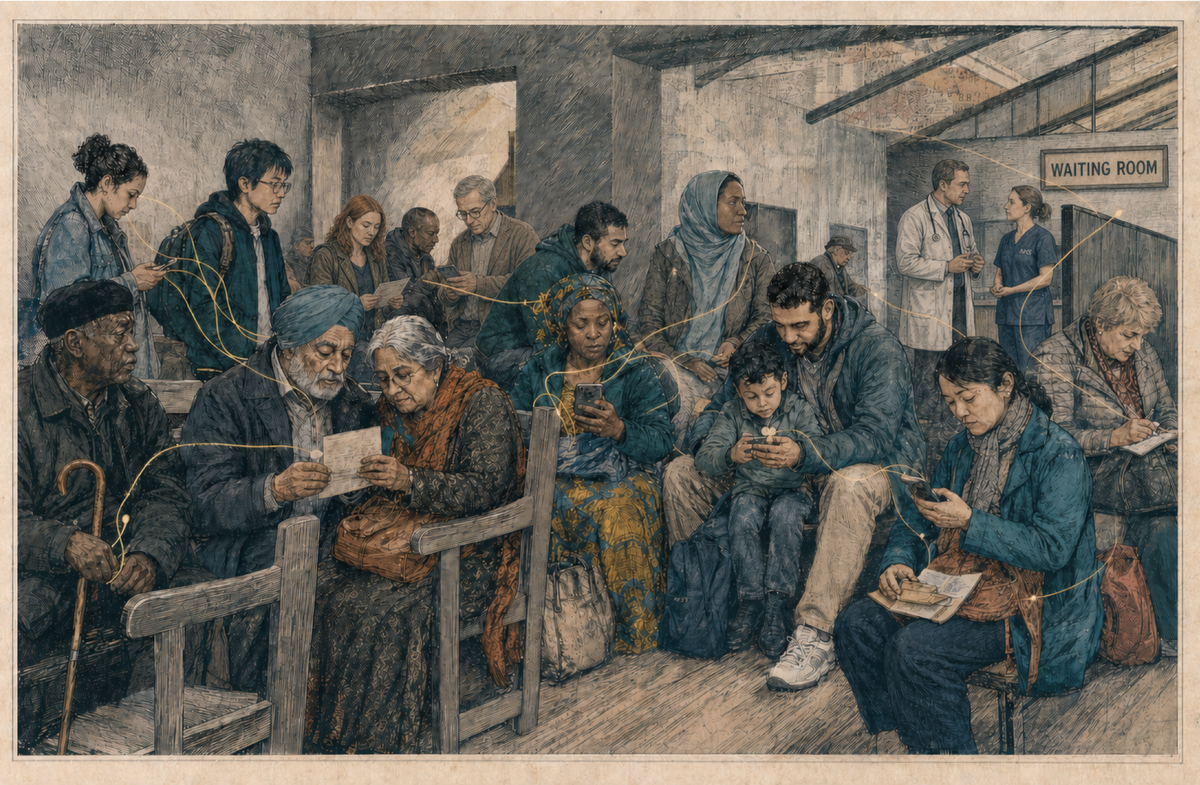
Shared decision-making has become a signature promise of personalised care in the NHS. NHS England describes it as bringing together two contributions, the clinician's expertise in treatment options, evidence, risks and benefits, and what the patient knows best - preferences, circumstances, goals, values, and beliefs. NICE guideline NG197 similarly asks clinicians to elicit what matters to people, discuss options and align care with their priorities (NHS England.; NICE, 2021). This is a genuine advance over paternalism, the traditional model in which clinicians decide what is best for patients, determine which information and options are relevant, and expect compliance with limited attention to patients’ own priorities, experiences or tolerance of risk. Shared decision-making challenges this hierarchy by recognising patients as participants in decisions about their care. NG197 calls for patient directors, service-user champions, jointly agreed consultation agendas and documentation of what matters to the person. The framework rightly gives patients a say in choosing among the options on offer. What it does not ask is who decided which options would be on the table in the first place. Its basic epistemic division therefore remains intact, professionals bring evidence; patients bring values (Kelly et al, 2015). Patients may influence which professionally defined option is chosen, but they are not given comparable standing to question how the problem, outcome, or relevant evidence was defined.
The difficulty is that listening and sharing authority are not the same. They assume that eliciting preferences and explaining evidence are enough to make the decision shared. They are not. A patient can be heard respectfully while their therapeutic world is translated into categories - adherence, interaction risk, belief, lifestyle - whose meaning they had no role in establishing. The unresolved question is not whether patients are invited to speak. It is whether what they say can change the institutional definition of the problem.
The deeper problem: authority, not voice
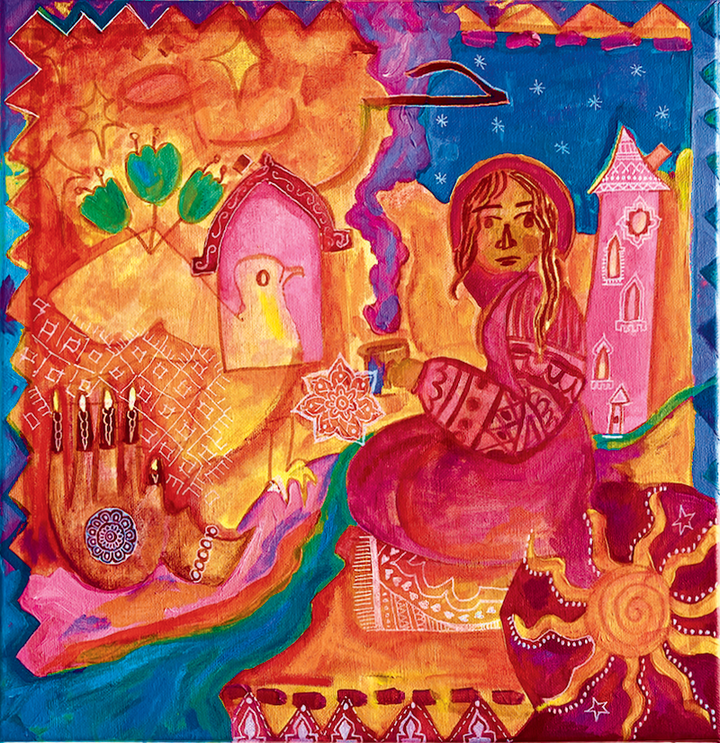
A patient may enter an NHS consultation having seen a general practitioner, followed advice from relatives abroad, purchased medicines during travel, consulted a religious healer, and altered their diet according to an inherited account of bodily balance. These practices may conflict. Together, however, they form the therapeutic world in which illness is interpreted. The clinical record usually disaggregates that world: medicines become safety issues, prayer becomes belief, relatives become influences on adherence, and treatment obtained abroad becomes medication-reconciliation work. This is not merely testimonial injustice of the prejudicial refusal to believe a patient. It is also hermeneutical injustice, the institution’s concepts may be unable to represent a plural therapeutic life except by dividing clinical evidence from cultural meaning (Fricker, 2007; Carel and Kidd, 2014). A clinician may believe every word and still revert to biomedicine the authority to determine what those words mean.
Plural health citizenship is a claim against that monopoly. It is not the right to define scientific truth or to have every treatment endorsed. It is standing to influence which questions are asked, which outcomes count, and which form of knowledge has authority over each dimension of a problem. Shared decision-making offers a choice among options. Plural health citizenship asks who made those options and what realities their construction excluded. Why does this division between professional evidence and patient meaning appear so natural? Why is biomedicine authorised to define the problem while other forms of knowledge must enter as optional, beliefs, or cultural context? The answer is partly historical.
Medicine after empire
Biomedicine did not become universal solely because its explanations proved more accurate or its interventions more effective. Its authority also travelled through empires, states, hospitals, laboratories, licensing systems, and various public-health campaigns. Colonial institutions distinguished qualified practitioners from illicit healers and science from superstition, even while relying on local intermediaries, materia medica, and practices of care. Postcolonial systems simply inherited this uneven mobility (Bivins, 2007; Lock and Nguyen, 2010). Ayurveda, Chinese medicine, Islamic medicine, Indigenous healing, and household knowledge may cross borders with migrants, but they often arrive in European institutions as culture, identity, or belief. Biomedical diagnoses and trials arrive with presumptive scientific standing. The important political distinction is therefore not between an authentic ‘Eastern’ medicine and an imposed ‘Western’ one. It is between forms of knowledge designed to travel as science and those made to arrive as culture.
This argument neither romanticises non-biomedical practice nor suspends scrutiny. Claims about toxicity, physiological effect, and therapeutic efficacy require appropriate investigation. The postcolonial question is narrower and harder, how does expertise in pharmacology or infectious disease become authority over the entire meaning of illness and care? The issue is not whether biomedicine possesses knowledge, but whether its methods are allowed to define every legitimate question. Understanding this history changes what reform requires. If the hierarchy is historically embedded in institutions, it cannot be corrected by more attentive consultation alone.
What must change
The alternative is not equal authority over every claim but accountable epistemic jurisdiction. A medical qualification warrants specialised authority concerning diagnosis, prognosis, pharmacology and physiological risk; it does not confer exhaustive authority over what illness means or which consequences are tolerable. Patients hold first-person knowledge of pain, function, and daily effects. Families, religious communities, and traditional practitioners may carry relational or intergenerational knowledge that has no formal certificate yet remains relevant to whether care is intelligible and practicable. None of these sources is infallible. Claims should be assessed according to the question they address, rather than credentialled knowledge being treated as scientific in every domain and uncredentialled knowledge as merely cultural in every domain (Kleinman and Benson, 2006; Carel and Kidd, 2014).
Begin with two usable questions:
A routine consultation cannot contain a complete ethnography of care. It can ask: 'What other treatments, advice or practices are part of how you manage this problem?' and 'Is there anything about this plan that would make it difficult, unsafe, or unacceptable in your daily, family, or religious life?' The answers should be recorded in the patient's own terms before being translated into risk or adherence categories. This is a clinical trigger, not a demand that every general practitioner adjudicate an entire knowledge system.
Make safety reasoning explicit:
When evidence indicates danger, but a patient reports meaningful improvement, the clinician should explain the nature, probability, severity and reversibility of the risk, including what remains uncertain. The clinician decides what they can responsibly provide; a patient decides what to accept or refuse. If a patient continues an external practice, the response may require harm reduction, monitoring, and a documented explanation of disagreement. This does not subordinate safety to preference. It follows professional guidance that risk discussions should be proportionate, tailored to what matters to the patient and candid about uncertainty (GMC, 2020).
Escalate material disagreement rather than compressing it:
If the answers reveal a clinically important conflict - for example, a possible interaction, refusal of recommended treatment, repeated inability to follow a plan or disagreement about what outcome matters, the system should create a longer review rather than forcing resolution inside the original appointment. Depending on the problem, that review might involve a pharmacist, interpreter, advocate, chaplain, relevant traditional practitioner, second clinician, or clinical ethics service. The record should identify the disputed claim, the evidence offered, who bears the consequences of error and who has final authority. The aim is accountable disagreement, not compulsory consensus.
Let guidance and records hold more than preference:
NG197 already recommends recording the options discussed and what matters to the person. Local templates could also record the patient's account of benefit or harm, other therapies in use, the point of disagreement, and the agreed safety plan. Guideline developers should distinguish physiological efficacy and safety from lived outcomes such as pain and function, and from religious or familial enactability. This does not turn religious reasoning into pharmacological evidence. It ensures that biological efficacy, experienced benefit, and practical coherence are not collapsed into one question (NICE, 2021; GMC, 2020).
Why this is difficult in practice
The strongest objection is feasibility. Primary care appointments are brief, workloads are heavy, and clinicians remain accountable for safety within the options the NHS can fund. A systematic review of consultation length documented the pressure that short appointments place on both the range of care provided and clinician stress (Irving et al., 2017). Even a sympathetic general practitioner cannot conduct a miniature ethics hearing during every consultation. Nor should pluralism become another unfunded competency added to an already crowded encounter.
That objection changes the mechanism, not the argument. The problem is not simply biomedical attitudes; it is how care is organised. Short appointments, fragmented continuity, rigid records and limited access to interpreters, pharmacists, and advocacy narrow what any clinician can recognise. A proportionate pathway therefore asks little of routine encounters and more of institutions when a material conflict is identified. NICE itself recommends agreeing an agenda, stating how long a discussion will last and offering a further opportunity to discuss options. Taking plural knowledge seriously requires resourcing that further opportunity rather than making individual clinicians responsible for solving a structural problem (NICE, 2021).
What remains unshared
NICE NG197 redistributes decision-making within a biomedical frame. That is genuinely better than paternalism, where the patient was treated merely as a passive recipient of professional decisions. But it leaves unshared what matters most, authority over the frame itself. The framework rightly gives patients a say in choosing among the options on offer. What it does not ask is who decided which options would be on the table in the first place. This framework nevertheless leaves the production of evidence and the definition of the clinical problem largely on one side of the partnership. It redistributes decision-making within a biomedical frame without redistributing authority over the frame itself.
Institutions will call the stronger demand impractical, dangerous, or hostile to clinical expertise. It is none of these. It asks professionals to remain authoritative where their methods warrant authority, while relinquishing the assumption that this authority extends to every dimension of illness and care. Redistributing epistemic authority requires institutions to surrender something they currently possess, the power to decide unilaterally what counts as a health problem. That loss is the point.
Arnab Chakraborty is an associate professor in global health histories at the Department of History, College of Library Arts, Shanghai University. He is also the Research Coordinator of the Centre for Health and Wellbeing, and he examines how medical knowledge, health policies, and systems of care are shaped by historical, cultural, and political contexts, particularly in Asia and the wider Global South. He is also interested in migrant health, plural systems of care, health inequalities, and the contribution historical research can make to contemporary policy dialogue.
Soorej Jose Puthoopparambil is an associate professor in global health and migration and director for the master’s programme in Global heath at the Dept. of Women’s and Children’s Health at Uppsala University, Sweden. He is also head of the WHO Collaborating center on Migration and Health Data and Evidence. His main area of interest is facilitating evidence informed policy making and development of practice. Soorej is also the EU lead for European Union (EU)- African Union (AU) Cluster of Research Excellence (CoRE) on migration and health.
References
Bivins, R. (2007) Alternative Medicine? A History. Oxford: Oxford University Press.
Carel, H. and Kidd, I. J. (2014) ‘Epistemic injustice in healthcare: A philosophical analysis’, Medicine, Health Care and Philosophy, 17, pp. 529-540.
Fricker, M. (2007) Epistemic Injustice: Power and the Ethics of Knowing. Oxford: Oxford University Press.
General Medical Council (GMC) (2020) Decision making and consent. Updated 13 December 2024. Available at: https://www.gmc-uk.org/professional-standards/the-professional-standards/decision-making-and-consent
Irving, G., Neves, A. L., Dambha-Miller, H., Oishi, A., Tagashira, H., Verho, A. and Holden, J. (2017) 'International variations in primary care physician consultation time: A systematic review of 67 countries', BMJ Open, 7, e017902.
Kelly, M. P., Heath, I., Howick, J., & Greenhalgh, T. (2015). The importance of values in evidence-based medicine. BMC medical ethics, 16(1), 69.
Kleinman, A. and Benson, P. (2006) 'Anthropology in the clinic: The problem of cultural competency and how to fix it', PLoS Medicine, 3(10), e294.
Lock, M. and Nguyen, V.-K. (2010) An Anthropology of Biomedicine. Chichester: John Wiley & Sons.
National Institute for Health and Care Excellence (NICE) (2021) Shared decision making. NICE guideline NG197. Available at: https://www.nice.org.uk/guidance/ng197
NHS England (n.d.) Shared decision-making. Available at: https://www.england.nhs.uk/personalisedcare/shared-decision-making/.
Smith, L. T. (2021) Decolonizing Methodologies: Research and Indigenous Peoples. 2nd edn. London: Zed Books.
Wallerstein, N. B. and Duran, B. (2006) ‘Using community-based participatory research to address health disparities’, Health Promotion Practice, 7(3), pp. 312-323.